
Introduction

Startups move fast. Markets move faster.
You build a product, launch a website, post on social media… and then wait. Sometimes traffic comes. Often, it doesn’t.
That’s where Digital Marketing tools make the difference.
The right tools help you understand your audience, track performance, create better content, and scale without burning cash. The wrong tools? They drain your budget and distract your team.
In this guide, you’ll learn which Digital marketing tools for startups actually matter, how they work, and when to use free digital marketing tools before upgrading. Every recommendation comes from trusted platforms and industry-standard sources. No fake data. No inflated claims.
Let’s build this properly.
Why Startups Need Digital Marketing Tools
Digital marketing isn’t optional anymore. It drives measurable growth.
- According to Statista, global digital advertising spending has continued to grow year over year, showing how brands prioritize online channels.
- HubSpot consistently reports in its marketing studies that businesses rank SEO, content, and social media among their top inbound growth drivers.
- Google processes billions of searches daily, which makes search visibility critical for discovery.
If people search, scroll, click, and compare online, your startup must show up there.
Digital marketing tools help you:
- Understand search demand
- Analyze competitors
- Automate repetitive work
- Track ROI clearly
- Make data-driven decisions
You don’t need dozens of platforms. You need the right stack.
Core Categories of Digital Marketing Tools for Startups
Instead of chasing trends, focus on six essential areas:
-
SEO & Keyword Research
-
Content Creation
-
Social Media Management
-
Email Marketing
-
Analytics & Tracking
-
Automation
Let’s break them down.
1. SEO & Keyword Research Tools
Search traffic brings consistent, high-intent users. Unlike paid ads, it compounds over time.
Google Search Console
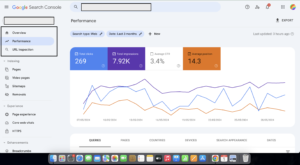
If you use only one free tool, start here.
It shows:
-
Which keywords drive traffic
-
Click-through rates
-
Indexing issues
-
Technical errors
It gives real data straight from Google. That alone makes it essential.
Cost: Free
Best for: Monitoring performance and fixing SEO errors
Ahrefs
Ahrefs helps startups:
-
Discover keyword opportunities
-
Analyze backlinks
-
Audit technical SEO
-
Study competitor strategies
Serious about organic growth? You need strong data. Ahrefs provides reliable keyword and backlink metrics used by SEO professionals worldwide.
Best for: Competitive SEO research
SEMrush
SEMrush combines:
-
SEO
-
PPC research
-
Content insights
-
Site audits
Many startups prefer it because it centralizes multiple marketing functions in one dashboard.
Best for: Startups running both ads and SEO
2.Content Creation Tools
Content builds authority. Authority builds trust.
According to the Content Marketing Institute, content marketing remains a top strategy for building brand awareness and generating leads.
Grammarly
Clear writing improves credibility.
Grammarly helps you:
-
Fix grammar
-
Improve clarity
-
Adjust tone
Clean writing increases readability and keeps users on the page longer.
Canva
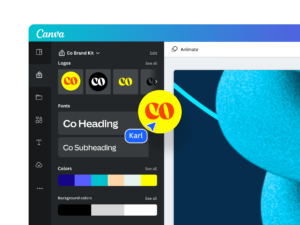
Startups rarely hire full design teams early on.
Canva allows you to:
-
Create blog banners
-
Design social posts
-
Produce simple infographics
Visual content increases engagement across platforms.
Notion
Use Notion to:
-
Plan content calendars
-
Manage workflows
-
Organize marketing tasks
Marketing fails without structure. Notion keeps teams aligned.
3. Social Media Management Tools
Social platforms drive brand visibility and community growth.
But posting manually every day? That drains energy.
Buffer
Buffer lets startups:
-
Schedule posts
-
Track engagement
-
Analyze performance
It simplifies daily publishing.
Hootsuite
Hootsuite offers:
-
Multi-channel scheduling
-
Monitoring dashboards
-
Team collaboration
Choose it when your team grows and needs advanced coordination.
4. Email Marketing Tools
Email remains one of the most measurable channels.
Data & Marketing Association reports that email marketing continues to generate strong ROI compared to many other channels.
Mailchimp
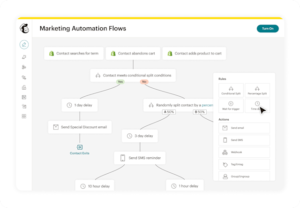
Mailchimp works well for startups because it offers:
-
Automation
-
Segmentation
-
Analytics
It also provides a beginner-friendly interface.
Brevo
Brevo (formerly Sendinblue) combines:
-
Email campaigns
-
SMS marketing
-
CRM tools
It works well for startups that want multiple communication channels in one place.
5. Analytics & Tracking Tools
Without data, you guess.
With data, you grow.
Google Analytics
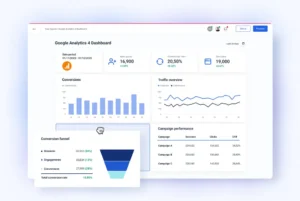
Google Analytics tracks:
-
Traffic sources
-
User behavior
-
Conversion paths
You can see what works and what fails. That clarity saves money.
Hotjar
Hotjar provides:
-
Heatmaps
-
Session recordings
-
User feedback tools
It helps you understand how people interact with your website.
Sometimes numbers show what happened. Heatmaps show why.
6. Automation Tools
Startups lack time. Automation protects it.
Zapier
Zapier connects apps.
Example:
-
Form submission → CRM entry → Welcome email
No developer required.
HubSpot
HubSpot integrates:
-
CRM
-
Email marketing
-
Landing pages
-
Reporting
It supports startups moving into serious growth mode.
Free Digital Marketing Tools Worth Using
You don’t need a huge budget at the beginning.
Here are reliable free digital marketing tools:
-
Google Search Console
-
Google Analytics
-
Canva (Free plan)
-
Mailchimp (Free tier)
-
Buffer (Limited free version)
Start free. Upgrade only when data justifies it.
That approach protects cash flow and reduces unnecessary subscriptions.
How to Choose the Right Digital Marketing Tools
Avoid “tool overload.”
Before buying anything, ask:
-
What problem does this solve?
-
Will this improve revenue or efficiency?
-
Can a free version handle our current needs?
-
Do we have the skills to use it properly?
Many startups fail not because tools lack power, but because teams lack clarity.
Strategy comes first. Tools follow.
SEO Best Practices When Using Digital Marketing Tools
If you want Google to trust your website, focus on:
1. Search Intent
Match content to user intent. Informational queries require educational content. Transactional queries require clear offers.
2. Technical Health
Fix:
-
Broken links
-
Slow loading speed
-
Mobile usability issues
Google’s ranking systems prioritize user experience.
3. Content Quality
-
Write clearly.
-
Use short paragraphs.
-
Cite trusted sources.
-
Avoid keyword stuffing.
Google rewards clarity and usefulness.
Common Mistakes Startups Make
Let’s add a little honesty here.
-
Buying expensive tools before validating product-market fit.
-
Ignoring analytics data.
-
Posting content without keyword research.
-
Running ads without tracking conversions.
Digital marketing tools amplify strategy. They don’t replace it.
Final Thoughts: Build Smart, Not Loud
Startups often think they need to “do everything.”
They don’t.
They need to do the right things consistently.
Use Digital marketing tools for startups that match your growth stage. Start with strong free digital marketing tools, validate channels, and then invest where returns prove real.
Keep your stack lean.
Track performance weekly.
Improve based on data.
Growth doesn’t come from shouting louder.
It comes from understanding your audience better than your competitors do.
And the right Digital Marketing tools help you do exactly that.
Frequently Asked Questions
What are the best Digital marketing tools for startups?
Start with:
- Google Search Console
- Google Analytics
- Canva
- Mailchimp
- Buffer
Upgrade to automation and advanced SEO tools as revenue grows.
Are free Digital marketing tools enough for early growth?
Yes. Many Digital marketing tools offer free plans. You can build traffic and collect leads before investing in premium features.
Do startups need Digital marketing automation tools?
Once lead volume increases, manual processes slow growth. Automation tools like HubSpot and Zapier improve efficiency and consistency.